Performance
Plan around the activities your customers care about. A performance footwear brief begins with intended use, the audience and the product information needed to make a suitable assortment decision.
Explore performance, lifestyle and sport as starting points for an assortment. Shape the category around your customers before moving into brands, sizes and quantities.
Explore the storyDRAG TO ROTATE · INTERACTIVE CONCEPT MODEL Credits ↗
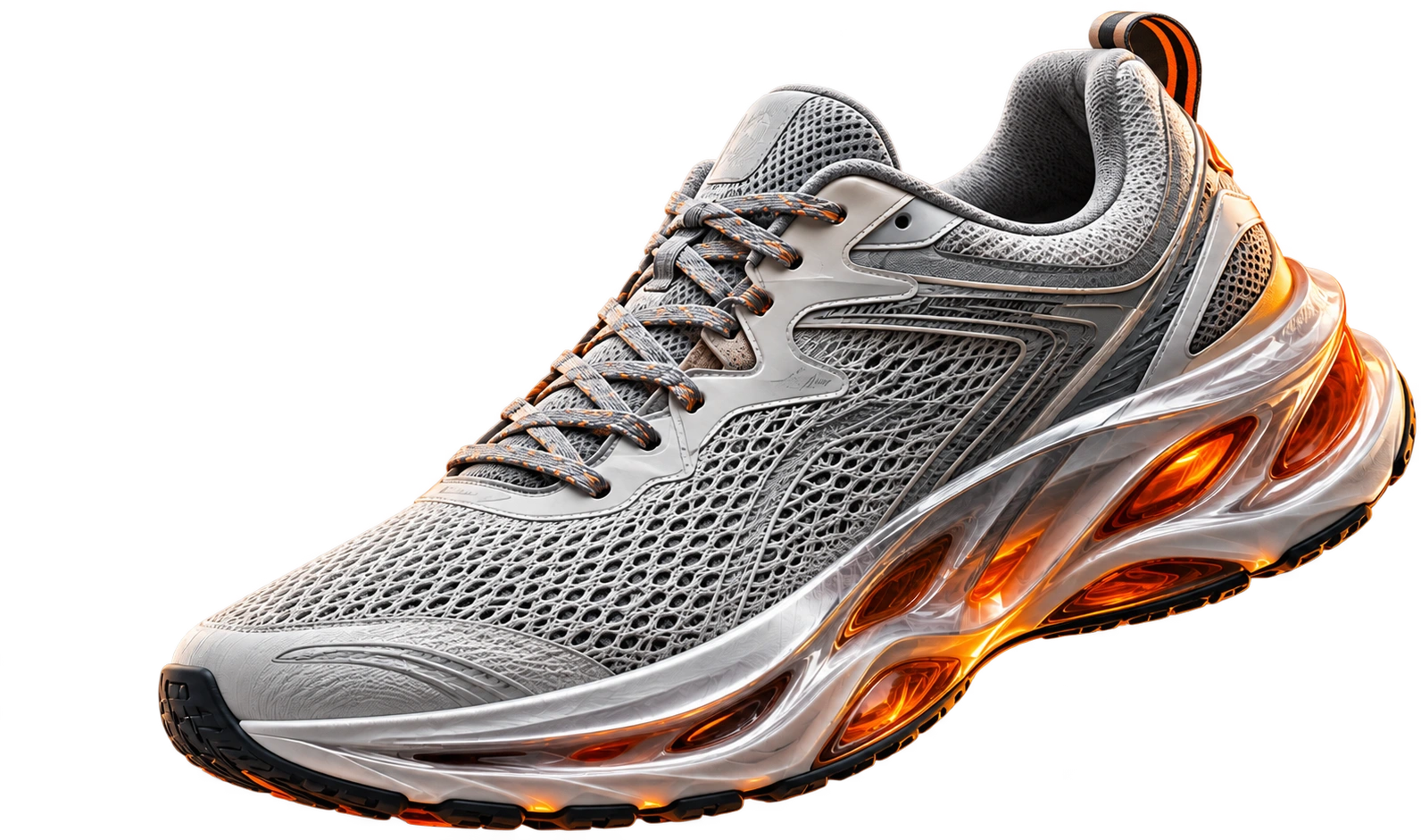
3D is unavailable in this browser. Static concept shown.
Plan around the activities your customers care about. A performance footwear brief begins with intended use, the audience and the product information needed to make a suitable assortment decision.
Create a footwear brief around how your customers dress and shop. Everyday footwear planning connects style direction with price positioning, size coverage and the role of the brand in your store.
Start with the sport and the setting in which footwear will be used. A specific activity, audience and level of participation make a more useful inquiry than a broad request for sports shoes.
Use product information and your audience knowledge together when defining an assortment.
Consider the relationship between the audience, the brand and the intended price position. The category should have a clear role in your business.
Describe the size coverage and the expected volume by category. If these are estimates, mark them as such so they can be discussed.
Connect the category plan to a receiving location and target date. Availability and commercial terms are confirmed for the actual proposed assortment.
Build a footwear brief around the customers visiting your stores or approved online channels. Consider category balance, size coverage and the role of the brand in your existing assortment.
Describe the business audience you supply, the geographic scope of your request and the intended order profile. This helps distinguish an exploratory discussion from a defined purchasing requirement.
Outline your market coverage and proposed route to customers. Brand access, territories and channel permissions are discussed and confirmed for the individual opportunity.
A category page explains an assortment direction. A brand page helps frame the commercial inquiry around a particular name. Use both to communicate what your business needs and where you expect to sell.
No. These pages explain the direction of a business brief. Specific styles, specifications, prices and available quantities require confirmation.
Yes. Separate the category requirements so the desired assortment, size mix and relative quantities are clear.
State the intended activity and request the official specifications for the proposed styles. Do not rely on a visual impression or a broad category name alone.